Meet the Pollinators
From buzzing bees to gliding moths, each one plays a vital role.
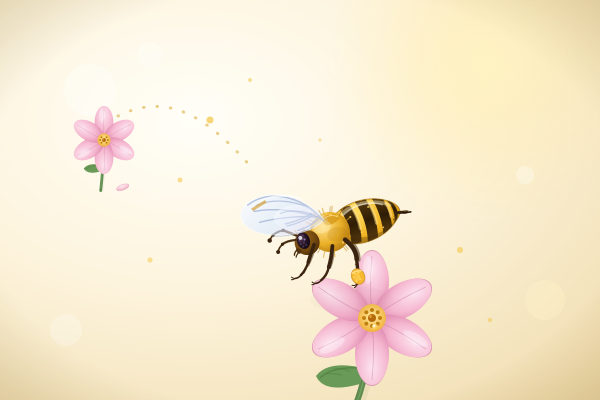
Honeybee
Generalist PollinatorThe most famous pollinator of all. A single hive can visit up to 5 million flowers per day. Honeybees are attracted to blue, violet, yellow, and ultraviolet patterns on petals.
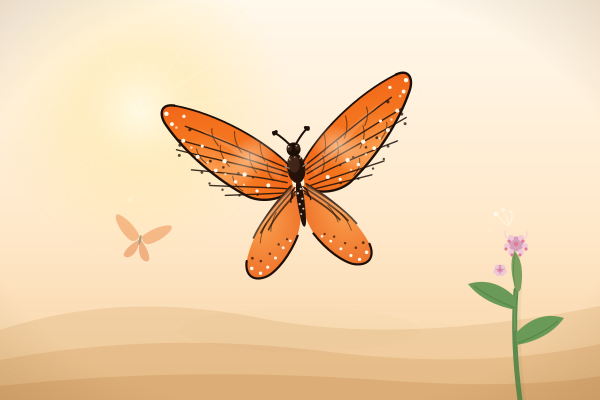
Monarch Butterfly
Specialist PollinatorFamous for its extraordinary migration, some individuals travel up to 4,800 km from Canada to the mountains of central Mexico. Their long proboscis suits tubular flowers like milkweed.
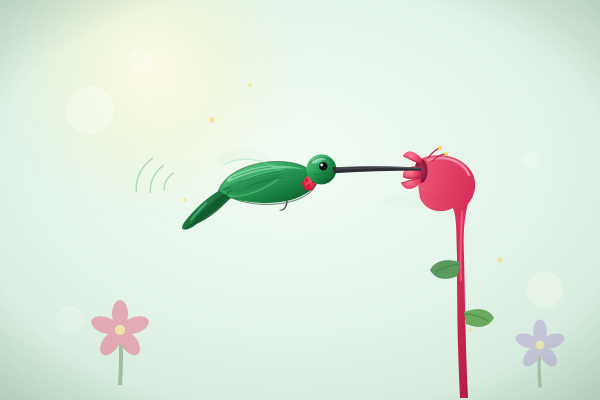
Hummingbird
Long-distance PollinatorThe only birds capable of hovering and flying backwards. Hummingbirds pollinate flowers with long, narrow tubes, often red, which is less visible to insects. They can beat their wings 50–80 times per second.
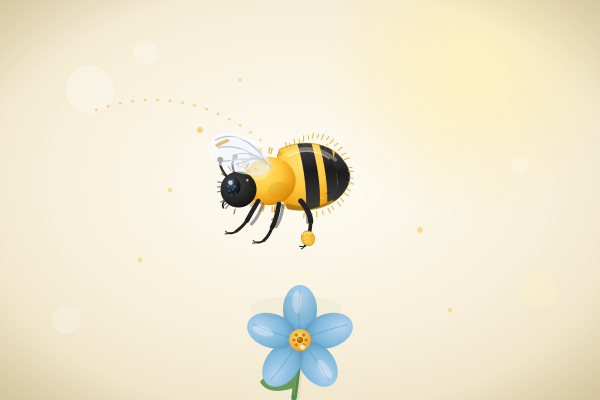
Bumblebee
Buzz PollinatorFluffy, social, and surprisingly versatile. Bumblebees can "buzz pollinate", vibrating their flight muscles at specific frequencies to shake pollen loose from flowers that honeybees can't access.
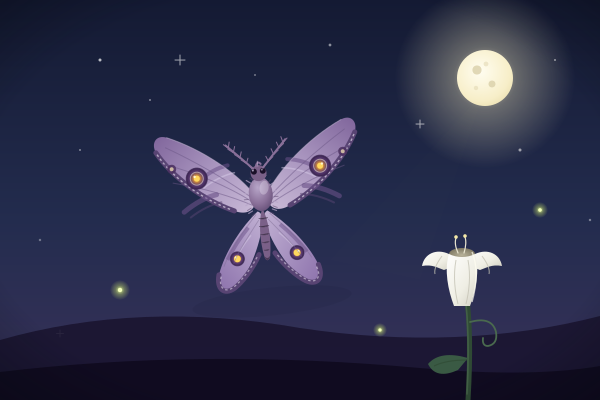
Nocturnal Moth
Night PollinatorWhile the sun sets, moths take over pollination. Pale or white flowers that open at night, like moonflower, evening primrose, and nicotiana, rely on these quiet, scent-driven visitors.
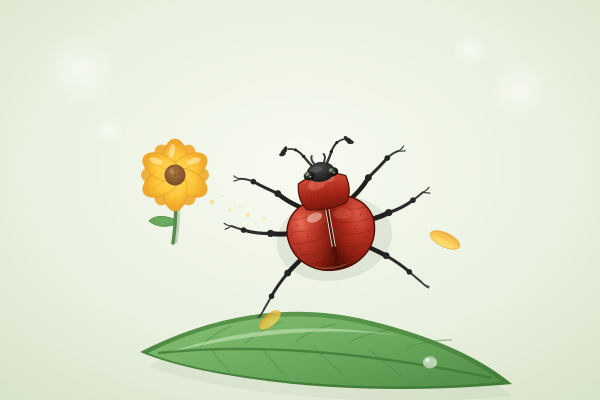
Beetle
Ancient PollinatorSome of the oldest pollinators on Earth, predating bees by millions of years. Beetles pollinate through "trap pollination": flowers like mangosteen and magnolia hold them inside until they're dusted in pollen.